
Rajasthan: Jaipur Diaries
Rajasthan
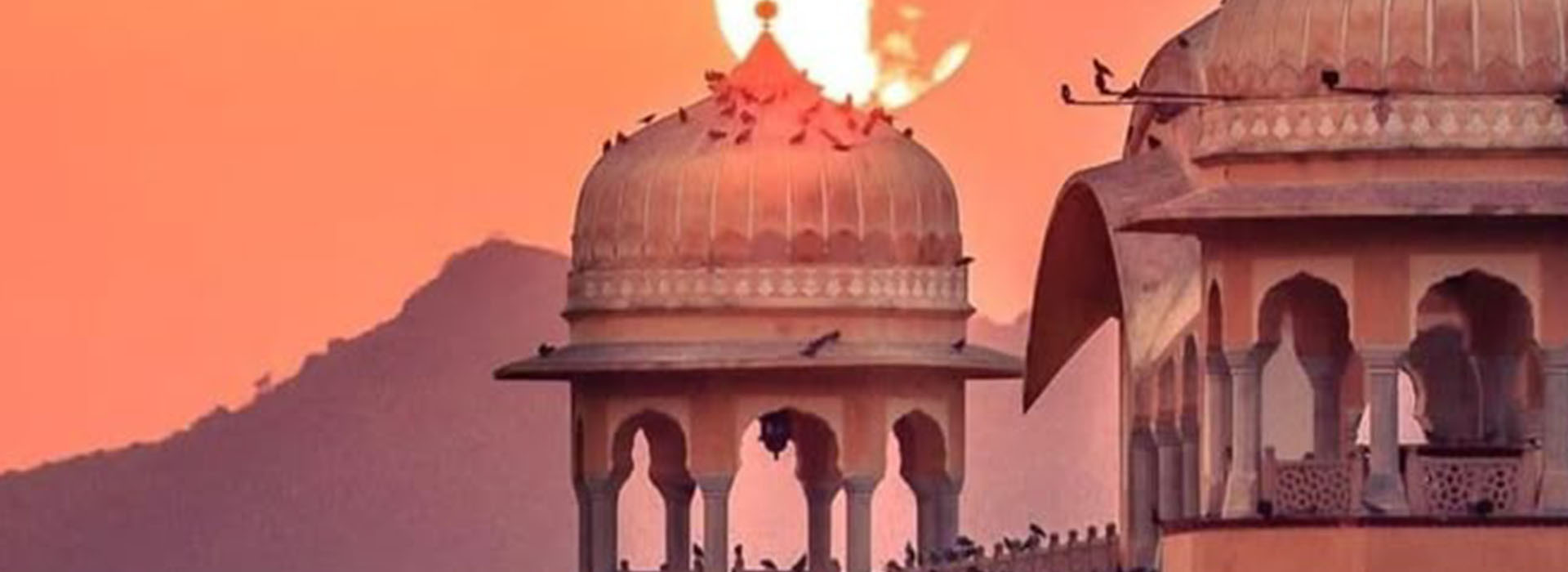
Forts to Bazaars — The Soul of Jaipur
written by Tanushri sharma: November 23, 2025
Day 1 — Arrival & First Impressions
Immerse in the charm of Jaipur’s Old City and feel the pulse of its markets.
- We arrive in Jaipur and check into a charming heritage guesthouse within the Pink City. The walls are painted in that warm pink hue that gives Jaipur its nickname.
- After settling in, our family take a gentle walk to Hawa Mahal — the iconic Palace of Winds. With its 953 little windows (jharokhas), it feels like a honeycomb made of sandstone. The breeze through the latticework keeps the palace cool, and you imagine royal women watching street life from above.
- From Hawa Mahal, you step into Johari Bazaar, one of Jaipur’s oldest jewelry markets. The narrow lanes glint with Kundan and Meenakari pieces — necklaces, earrings, bangles — all handcrafted.
- My sister bargain for a delicate silver earring set; the shopkeeper smiles, she haggle, and we leave with a small box that feels like a treasure.
- Evening: Now we head to MI Road (Mirza Ismail Road). Here, modern meets traditional — branded showrooms, handicraft shops, blue pottery, and even some chic cafes.
- As dusk falls, we rest at a rooftop café, sipping chai, watching pink-hued buildings glow in the fading light.
Our first day ends with a heart full of colors, sparkle, and the realization that Jaipur isn’t just about palaces — its markets tell equally magical stories.
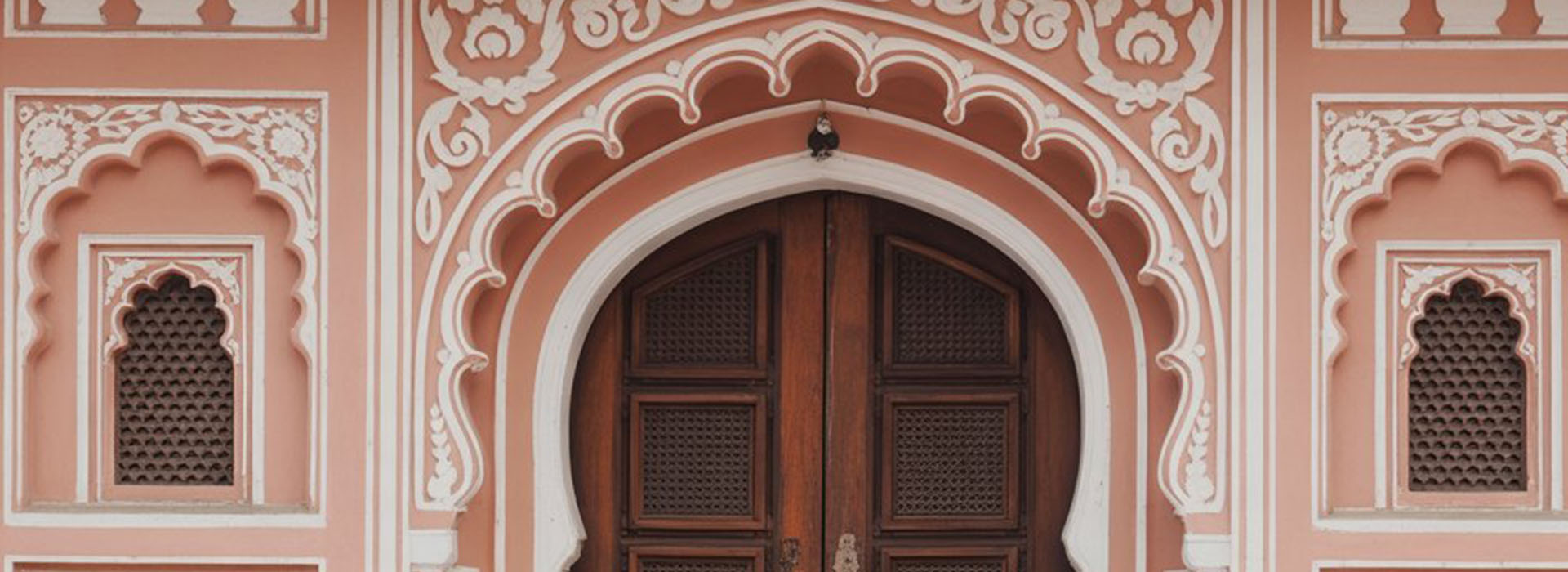
Day 2 — Royal Heritage & Forts
Explore Jaipur’s majestic forts and historic architecture.
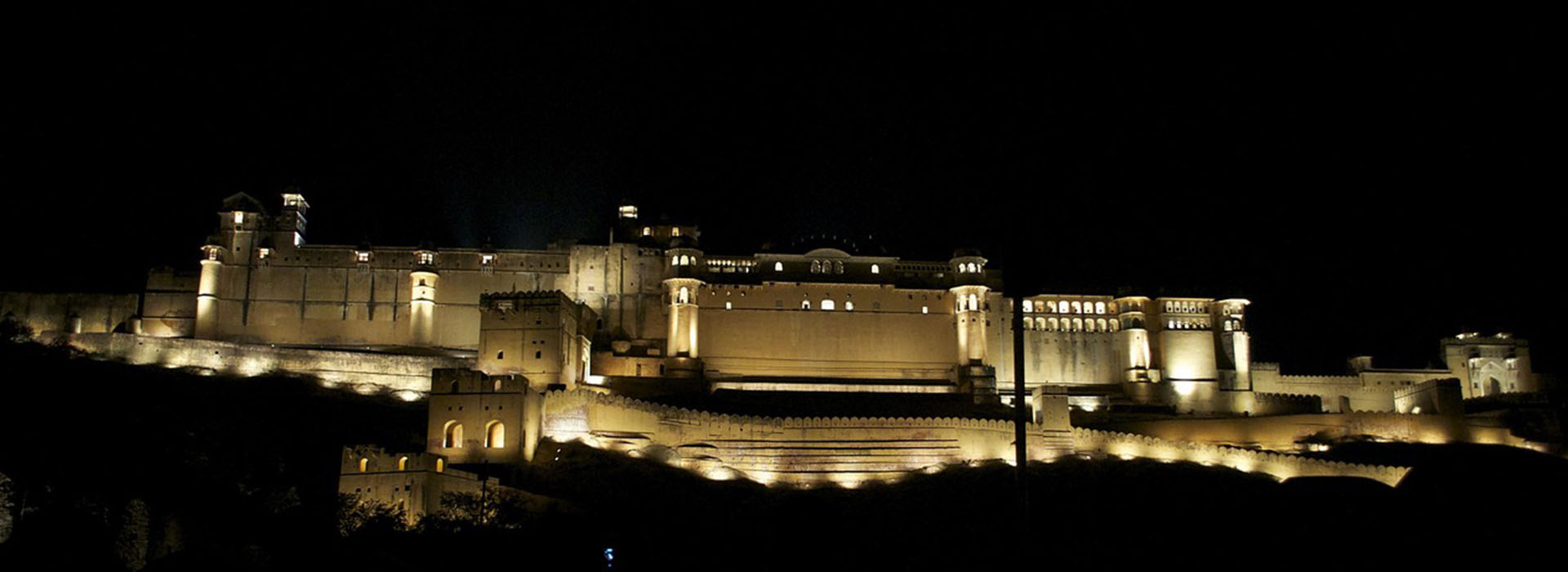
- Morning: We drive up to Amber Fort (also called Amber Fort). High on a hill, its ramparts and courtyards feel cinematic. The fort is built of red sandstone and marble, with delicate mirror work in the Sheesh Mahal. Inside the fort, we visit Shila Devi Temple, a sacred shrine dedicated to the goddess Durga.
- After taking in the views of Maota Lake below, we walk along hidden paths and ramparts, imagining life in the royal courts of old.
- Lunch at a traditional Rajasthani restaurant near the fort, tasting dal baati churma and ker sangri.
- Afternoon: our cab head to Jaigarh Fort, perched on a hill above Amer. The fort’s mighty walls stretch across kilometers.
- Also explore the museum, gardens (Charbagh), and temples like the Aram Mandir.
- We took pause at pause at a watchtower and look over the Aravalli hills — golden in the late afternoon sun.
- Evening: Return to the city. Relax in our guesthouse, and take a quiet walk in Ram Niwas Garden, with its calm lawns, bird park, and the Albert Hall Museum building peeking through.
We feel connected to the royal past — forts, legends, and architecture have painted a vivid picture of Jaipur’s heritage.
Day 3 — Markets, Culture & Hidden Corners
Dive deep into Jaipur’s shopping culture and offbeat spots.
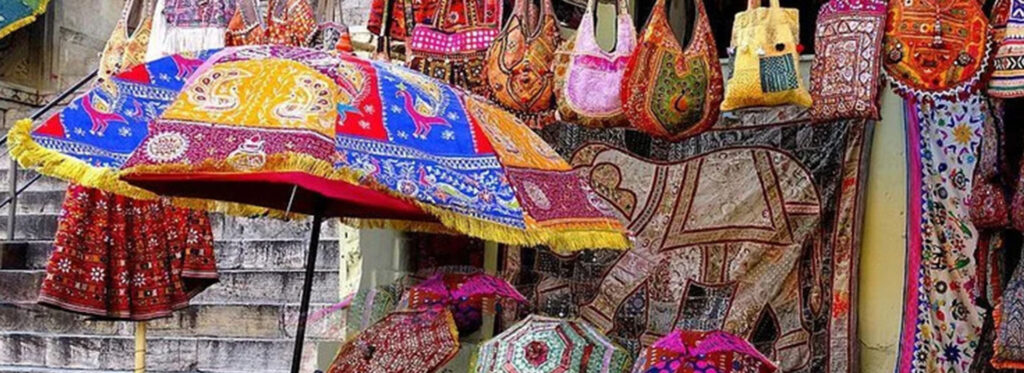
- Start with Nehru Bazaar: this local favorite is full of embroidered mojaris (traditional shoes), perfumes, textiles, quirky souvenirs. I try a pair of mojaris — feel the leather, test their comfort.
- Then we stroll to Sireh Deori Bazaar, just opposite Hawa Mahal. Here you find handcrafted quilts, wall hangings, traditional Rajasthani home décor, and more.
- Next, we walk through Aravali Bazaar, less crowded but full of charm — home décor items, block-printed fabrics, carved wooden furniture.
- Lunch in the bazaar area — try some street food, local snacks, chai from a roadside stall.
- After lunch, you explore Jawahar Circle Garden, one of Asia’s largest circular parks. It’s peaceful, and you relax on a bench as kids play, couples stroll, and the park hums with life.
- Later, we visit Kalki Mandir, a quiet temple tucked away near the walled city’s Sireh Deori Bazaar. A white marble horse statue in the courtyard stands out.
- Evening: Head to Bapu Bazaar, known for textiles, block-printed fabrics, colorful Rajasthani garments, and traditional items. We browse stalls, pick up a lightweight Jaipuri quilt, and negotiate nicely with a vendor.
We leave Day 3 with hands full of souvenirs, heart full of local stories, and a deeper sense of Jaipur’s living cultural tapestry.
Day 4 — Museum, Reflection & Farewell
Reflect on Jaipur’s art, craft, and legacy before leaving.
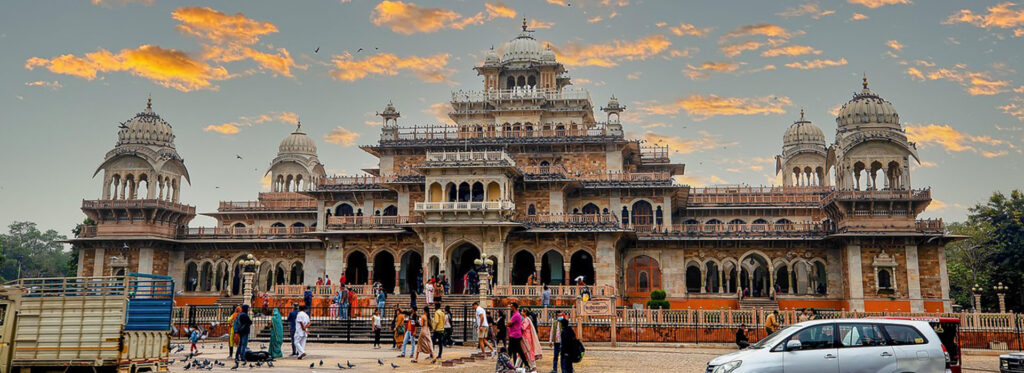
- Morning: Visit the Albert Hall Museum in Ram Niwas Garden — its Indo-Saracenic architecture mesmerizes you, and inside, the exhibits of miniatures, arms, sculpture, and textiles tell stories of Rajasthan.
- Spend some time in the garden outside — maybe sketch, read, or just enjoy the calm before the bustle.
- Then, return to the Old City for a final round of shopping — revisit our favorite bazaar (Sireh Deori), pick up that item we couldn’t decide on earlier.
- Lunch at a rooftop café overlooking the city’s pink rooftops, as you savor the last few bites of Rajasthani thali.
- Afternoon: Walk along the narrow alleys, observe the architecture, take photos, talk to local shopkeepers, ask about their craft.
- Finally, as we started packing our bags, we reflect: the forts, the markets, the temples — Jaipur has given us a beautiful blend of history, craftsmanship, and warmth.
We leave Jaipur not just with souvenirs, but with stories — of artisans, royal history, and our own journey in the Pink City.
FAQs
Q1: Is bargaining necessary in Jaipur markets?
Yes — especially in bazaars like Johari, Bapu, and Nehru. Bargaining is expected.
Be polite but firm; don’t jump to the first quoted price.
Q2: Should I carry cash or card when shopping?
It’s a good idea to carry cash: many smaller, local stalls prefer cash.
But for more established shops (especially on major markets) cards may be accepted.
Q3: When is the best time to visit Jaipur’s markets and monuments?
For markets: Early morning or late afternoon — cooler, fewer crowds, more relaxed shopping.
For tourist spots / forts: Visiting early or later in the day helps avoid the heat and the rush.
Q4: Is it safe to walk around the forts and bazaars?
Generally, yes — but avoid very narrow, dimly lit alleys at night.
Be mindful of pickpockets in crowded markets.
If you’re hiring a guide, use a licensed local guide — especially for forts.
Q5: How do I avoid scams while shopping (especially for jewelry)?
Buy from certified or well-known shops for jewelry and gemstones.
When bargaining, compare between multiple shops to understand the “real” local price.
Avoid pushy “tourist trap” shops — especially ones pushed by third-party guides.
Q6: Any health / comfort advice while exploring Jaipur?
Stay hydrated — Jaipur can get very hot, especially in summer.
Wear comfortable shoes: you’ll be walking a lot, both in markets and forts.
Carry a small bag and don’t flash expensive items openly: helps in both bargaining and safety.
Q7: What about emergency or guide-related precautions?
- Use licensed local guides for tours of forts to get authentic stories and safer route recommendations
- Don’t accept “free rides” to shops from strangers — these often lead to commission-driven stores.
- Keep your valuables secure — use a crossbody or front-facing bag in crowded spots.